Skip the Feed: Five Little Corners of the Internet That Still Feel Like Neighborhoods
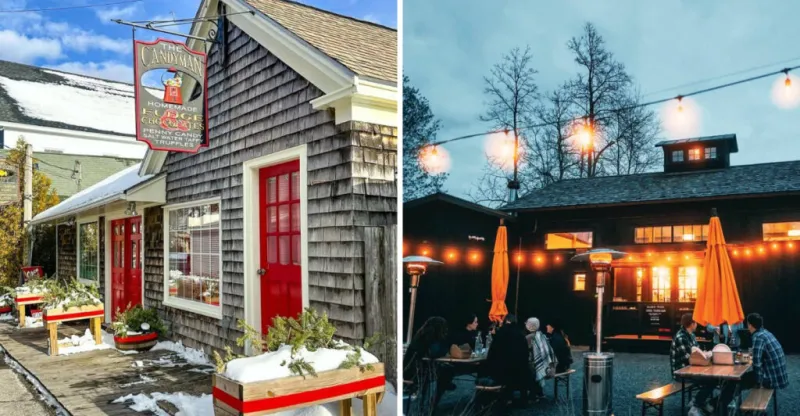
Photo: cozy neighborhood diner small town community, via cookcleanrepeat.com
There's a word sociologists use for the places that aren't home and aren't work: third places. The diner. The barbershop. The church basement. Ray Oldenburg, who coined the term, argued these spots do the quiet work of making people feel like they belong somewhere.
The internet used to be full of them. Then the feed showed up, and most corners of the web started optimizing for the same thing: keep scrolling, keep reacting, keep the numbers up.
But the old model never fully died. It just went quiet. Here are five kinds of digital third places still thriving without an algorithm in sight — and what each one can teach you.
1. The Slow Forum
Think of the classic web forum — phpBB aesthetics and all — as the diners of the internet. Places like MetaFilter or a well-run hobby board for, say, vintage road bikes don't chase growth. They chase tenure.
How they work: Membership often has friction on purpose. Some require a referral, an application, or a small fee. That friction filters out drive-by posters and leaves regulars.
The lesson: A little inconvenience at the door is a feature. If you're building a community space, make joining mean something.
2. The Indie Wiki
For every corporate wiki farm, there are hundreds of tiny, lovingly maintained wikis — a fan-maintained encyclopedia for one TV show, one video game mod, one regional dish. They're built by a handful of editors, sometimes one, and they're often the best resource on the entire topic anywhere.
Who keeps them alive: Obsessives, in the best sense. People who'd rather document every episode of a canceled 2003 show than scroll a feed.
The lesson: Depth beats reach. A site that's the definitive answer to one narrow question will outlive a hundred generic posts.
3. The Webring (Yes, Really)
Webrings — the '90s invention where related sites link to each other in a circle — have quietly come back, especially among personal site builders. No owner, no algorithm, just a handshake agreement: I link to you, you link to me, visitors wander.
How they work: A volunteer maintains the ring's index page. Traffic flows sideways between peers instead of up to a platform.
The lesson: Discovery doesn't need a middleman. If you know three people making things adjacent to yours, you already have a distribution network.
4. The Niche Discord Server
Discord gets criticized as a walled garden, but a well-moderated 400-person server about, say, houseplants or home espresso is the closest thing the modern web has to a rec room. The best ones have channel culture, in-jokes, and members who recognize each other by name.
Who keeps them alive: Moderators who work for free and take the role seriously. A good mod team is doing emotional labor most people never see.
The lesson: Community needs gardeners, not just builders. Budget your energy for moderation, or find a co-founder who loves it.
5. The Community Blog With a Comments Section
The humble blog that answers its comments — thoughtfully, by name — is practically a radical act now. These sites often run on a $10-a-month plan and a domain someone's renewed for a decade.
How they work: One voice, consistent over years, with a comment section that's become a small salon of regulars who know each other.
The lesson: Consistency compounds. A domain you keep and a voice you keep using will gather a neighborhood around it — slowly, then all at once.
Build Your Own Porch
Notice what all five have in common: small by design, human-paced, owned by someone who cares. None of them can be deleted by a platform policy change, because none of them belong to a platform in the first place.
If you've been tired of the feed lately, that's not apathy — it's homesickness. The good news is the neighborhood is still there. It just doesn't have an app. Pick up a domain, pick a topic you'd talk about for free, and leave the porch light on. The regulars will find you.