Take the Mascot Down: One Real Photo Outperformed Our Logos, and the Numbers Prove It
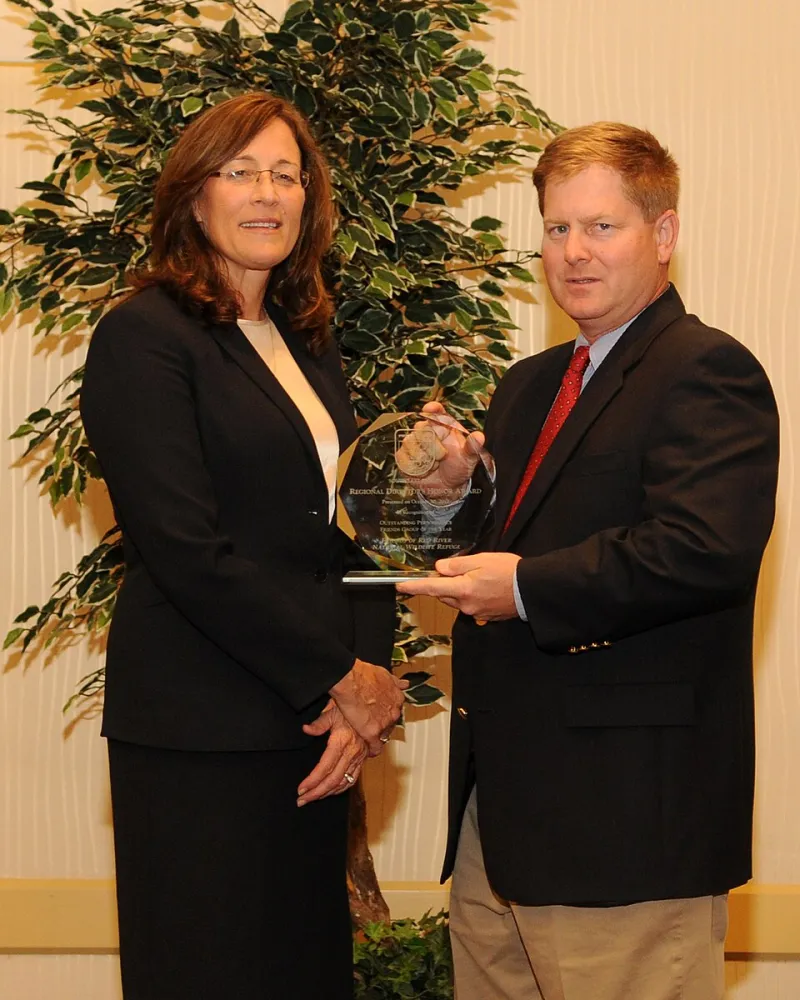
Photo: U.S. Fish and Wildlife Service Southeast Region, Public domain, via Wikimedia Commons
There's a particular kind of website you've seen a hundred times. A group project, clearly built with love, but the About section is a wall of cartoon animals. A raccoon in sunglasses. A robot holding a coffee mug. An illustrated blob with a friendly smile. Everyone's a character. Nobody's a person.
We get why it happens. Cartoons feel safe. They sidestep the awkwardness of asking four friends to send headshots. They let a side project stay a side project — plausible deniability in visual form. But after watching three Dot Friends community projects ditch the mascots this year, we're ready to say it plainly: your group-built site is losing trust every day it hides behind a logo.
The Mascot Tax Is Real
The first crew to make the swap runs a Midwest hiking-trail review site that started as a Discord joke. For two years, their homepage led with a hand-drawn fox. Traffic was fine. Engagement was flat.
In February, one member uploaded a blurry photo from their first group hike — six people, squinting into the sun, someone mid-laugh. They cropped it, dropped it above the fold, and added one line: "We're the folks who walk these trails so you don't have to guess."
Newsletter signups rose about 40% over the following two months. Same content, same posting schedule, same domain. The only variable was a real face where a fox used to be.
Three Sites, One Pattern
The second project is a vinyl-collecting community out of Portland, Oregon. Their illustrated identity was a stylized turntable — honestly, a gorgeous piece of design. But when they swapped it for a photo of the five co-owners crammed into one member's garage around a record shelf, two things happened within weeks. Forum reply rates on new threads ticked up noticeably, and — this is the part that matters — the inbound messages changed tone. Before: "Is this site still active?" After: "Hey, are you the guys doing the $5 crate digs? I'd love to help organize one."
A photo doesn't just say "humans live here." It says "the door is open."
The third crew, a group of domain investors who publish a weekly deal newsletter, ran the cleanest experiment of the bunch. They A/B tested two landing pages for a month: one with their mascot (a cartoon owl, because of course), one with a single iPhone photo taken at a diner meetup in Kansas City. The photo version pulled roughly a 60% higher signup rate. One of the members put it to us this way: "The owl was our brand. The photo was our proof."
Why We Keep Choosing the Raccoon
If the data is this consistent, why do most group sites still default to illustrated identities? A few reasons, all understandable.
First, coordinating five adults into one photo is genuinely annoying. Somebody's traveling. Somebody hates how they look in pictures. Somebody has been "about to send theirs" for six weeks.
Second, there's a privacy instinct — some of it legitimate. Not everyone wants their face attached to a hobby site, and no one at Dot Friends is arguing you should out yourself against your own comfort.
But mostly, we think it's a modesty thing. Group projects feel like they haven't "earned" real faces yet. That's backwards. The mascot says aspirational brand. The photo says actual neighbors. On the internet, where anyone can spin up a slick landing page in an afternoon, the second one is worth more.
How to Make the Swap Without an Awkward Photoshoot
You don't need a photographer or a coordinated outfits day. The winning photos in all three cases were candid, slightly imperfect, and obviously real. A screenshot of a video call works. A photo from the one time you all met at a conference works. Even a collage of individual candid shots — no studio headshots, please — beats a fox in sunglasses.
Pair it with first names and a city or state. That's it. That's the whole formula.
The internet has spent a decade getting very good at detecting what's real and what's manufactured. Your visitors run that scan in about two seconds. A logo, however charming, reads as manufactured. A group of actual people, squinting into the sun, reads as something worth joining.
Take the mascot down. Put your crew up. The fox had a good run — but the numbers belong to the humans.