One Mic, Six Friends: Picking Who Talks When the Press Calls
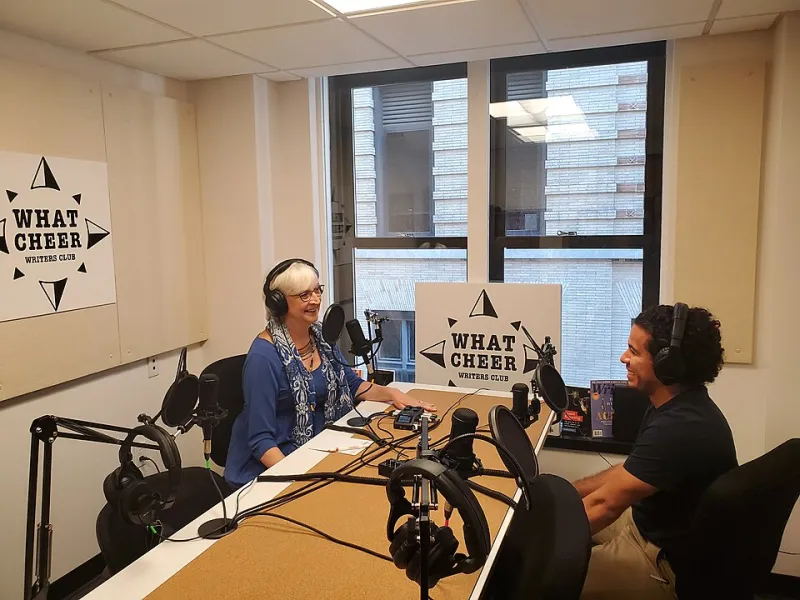
Photo: JKizzieHumanities, CC BY-SA 4.0, via Wikimedia Commons
It starts innocently enough. A journalist emails the contact address on your little fan site. Or a podcast host slides into the group DM asking if someone can come on and talk about the project. Suddenly the six of you are staring at each other in the group chat, and the question nobody prepared for is staring back: who actually talks?
If you built a website with friends, you've probably avoided this conversation the same way you've avoided deciding who owns the hosting password. But media moments don't schedule themselves around your comfort level. And the groups that fumble them usually don't fumble because of the interview itself — they fumble because three different people said three different things.
The Classic Fumble: Everyone Answers
There's a well-known pattern in community projects that get sudden attention. A local news outlet covers a fan-run archive or a niche hobby forum, and in the excitement, two or three members each respond to the reporter separately. One person calls it a "passion project." Another calls it "basically a startup." A third jokes that it's "mostly a bit."
None of those quotes is wrong. Together, they're a mess. The article reads like the site is having an identity crisis, because — for one chaotic news cycle — it is.
The fix isn't charisma or media training. It's a decision made before anyone with a byline shows up. One name. One voice. Everyone else points reporters to that name.
Why the Loudest Person Shouldn't Automatically Get the Job
The instinct in most group chats is to hand the mic to whoever is most online. That person is often funny, fast, and terminally available. They are also, frequently, the person most likely to fire off a hot take at 11 p.m. that the rest of you have to apologize for by breakfast.
What you actually want in a spokesperson is boring on purpose:
- Reliable response times. Reporters work on deadlines. If your spokesperson takes four days to reply, the story gets written without you.
- Knows the whole story. Not just their piece of it — the origin, the current state, where things are headed.
- Can say "I don't know, I'll follow up" without spiraling.
- Doesn't need the spotlight. Counterintuitive, but the friend who's slightly reluctant is often the one who quotes-checks and stays on message.
Sometimes that's the same person as the loudest one. Often it isn't. Pick the person, not the personality.
The Ten-Minute Media Policy (Yes, Really)
You don't need a corporate comms plan. You need a paragraph in your group's pinned message or shared doc. Here's a template you can adapt in one sitting:
Media policy for [Site Name]: All press inquiries — journalists, podcasters, newsletters, researchers — go to [Name] at [email]. [Name] is our sole spokesperson. If anyone else receives an inquiry, forward it and don't respond. [Name] will loop the group in on any interview before it happens and share the final piece afterward. For anything legal or financial, [Name] consults the group before responding. This policy stays in effect until we revisit it as a group.
That's it. Ten minutes of typing saves you a week of group-chat drama. Put the contact email somewhere findable on the site itself — a press page with a single name and address signals professionalism and quietly funnels everything to one place.
Aced It: The Small Archive That Handled Its Big Moment
One midwestern fan community we heard about had a modest regional history archive that got linked from a major aggregator one Friday afternoon. By Saturday, two reporters had emailed. Because the group had — almost by accident — made one member the de facto contact years earlier, that member responded to both with the same three talking points the group had joked about in the chat: what the site was, why it existed, and what they hoped to preserve next.
Both resulting articles quoted the same person, told the same story, and drove a wave of new contributors who already knew who ran the place. No drama, no mixed messages. The group's secret wasn't sophistication. It was that one person had always answered the inbox, and everyone else had always let them.
Handle the Aftermath Like Adults
Even a smooth interview leaves loose ends. A few habits worth adopting:
- Share the draft questions before the interview if the outlet allows it, so the group isn't surprised.
- Post the final piece in the chat — good or bad — so nobody learns about their own website from a stranger's tweet.
- Debrief once. One message thread: what went well, what to tweak. Then move on.
- Rotate if you want. Some groups swap the spokesperson role yearly, like a co-op board. It keeps the burden light and the voice fresh, as long as the handoff is announced publicly on the site.
Your Website Speaks With One Voice. Let It.
Friend-built projects already fight an uphill battle for credibility. A reporter who gets five conflicting quotes will file the story with a raised eyebrow baked into the lede. A reporter who gets one clear, warm, honest voice will write about a group that has its act together — even if your repo is held together with duct tape and a shared calendar.
So have the awkward ten-minute conversation this week. Pick the name. Pin the paragraph. Then get back to building the thing, knowing that when the internet comes knocking, exactly one of you will answer the door — and the rest of you can keep your hands on the keyboard.